A customer recently told us that ‘busyness’ is one of their biggest risk factors.
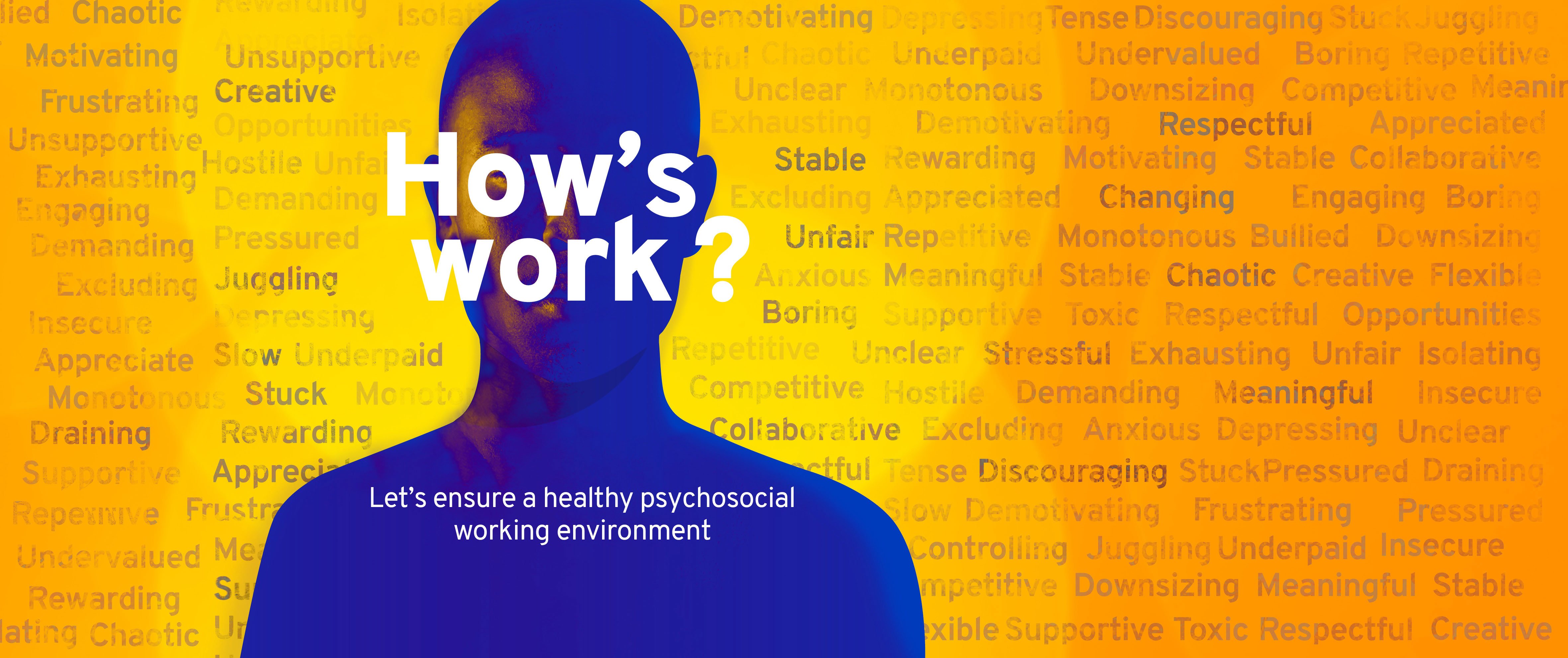
So, it’s no surprise that this year’s World Day for Safety and Health at Work is focused on psychosocial factors such as workload and working time, role clarity, autonomy, support, and fair and transparent processes.
The psychosocial working environment is defined by how work is designed, organised and managed, and the organisational practices that shape everyday working conditions.
The International Labour Organisation (ILO) says “When psychosocial factors harm workers, they become hazards which, alongside physical, chemical and biological types, must be addressed and managed to ensure safe and healthy working environments.”
Psychosocial factors in the real world
We explored this at our recent webinar. Busyness, human behaviour, and uncontrollable actions in the workplace were highlighted as factors that contribute to workplace transport incidents.
As well as ensuring sites are designed to manage the risks of plant-pedestrian collisions, we also need to ensure that people and psychosocial factors are considered.
But how can you do this?
This really comes down to a company’s culture.
Are people supported?
Do they feel comfortable to challenge unsafe behaviours or speak up when something is wrong?
Do people understand what is expected of them in their role?
Are they under unreasonable time pressures that could make them rush, or make a snap decision that could lead to drastic consequences?
When we’ve worked with companies that have safety ingrained into their culture you can see the positive impact this has on how successfully the site operates.
The recent webinar held by SiteZone on Plant Pedestrian Safety in Waste & Recycling: What Good Really Looks Like included a case study of Enva Tilbury where the culture stands out, and staff are not afraid to challenge safety on site.
You can watch the full webinar here.